Some links on this page are affiliate links, which means I may earn a small commission if you book through them. Thank you for supporting my blog!
Mt. Fuji, or Fujisan, is one of Japan’s most recognized landmarks and a destination you simply can’t miss. This majestic volcano offers breathtaking views that will leave you in awe and make your trip unforgettable. In this guide, you’ll discover the best ways to experience Mt. Fuji, from scenic viewpoints to photo-worthy spots, so you can capture its beauty from every angle.
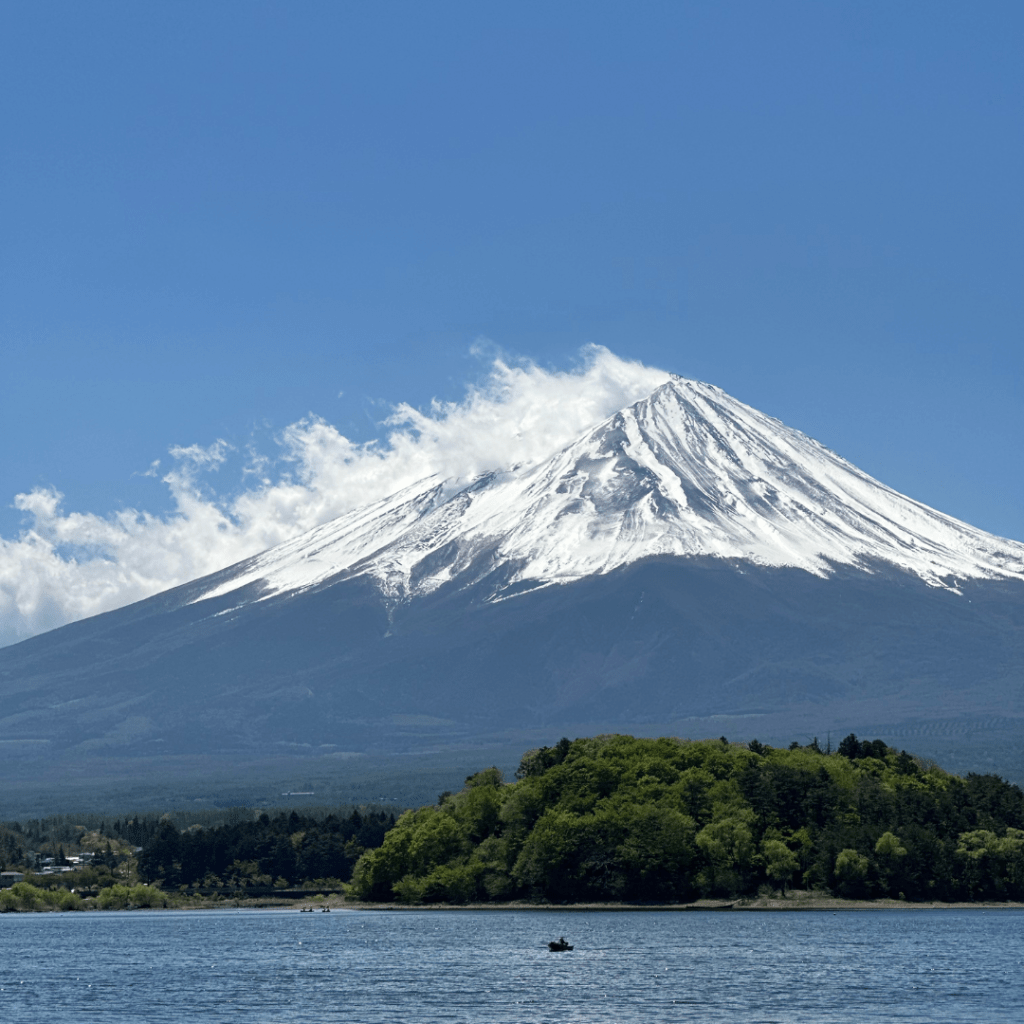
How to Get to Mt. Fuji from Tokyo
Getting to Mt. Fuji from Tokyo takes about 2 to 3 hours depending on the route you choose. You can travel by train, bus, or join a guided tour. One of the most popular ways is taking the JR Chuo Line from Shinjuku to Otsuki Station, then transferring to the Fujikyu Railway for direct access to Kawaguchiko, a favorite base for exploring Mt. Fuji. Highway buses from Shinjuku or Tokyo Station are another convenient and affordable option, taking you straight to the Fuji Five Lakes area or the Subaru 5th Station.
Personally, I prefer joining group guided tours especially as a solo traveler. It is a great way to meet others, learn about the sites, and avoid the stress of navigating transportation on my own. For my trip, I booked a Mt. Fuji day tour through Klook which made the entire experience smooth, enjoyable, and worry free.
Here’s a quick look at the main routes from Tokyo to Mt. Fuji, along with a map to help you plan your journey.
Train from Tokyo to Kawaguchiko
Highway Bus from Tokyo to Mt. Fuji
- Train to Kawaguchiko (most popular option): Take the JR Chuo Line from Shinjuku Station to Otsuki Station, then transfer to the Fujikyu Railway bound for Kawaguchiko Station. From there, you can enjoy stunning views of Mt. Fuji and explore the Fuji Five Lakes area. (Travel time: about 2.5 to 3 hours)
- Highway bus to Mt. Fuji: From Shinjuku or Tokyo Station, you can catch direct highway buses to Kawaguchiko Station, Fuji Subaru 5th Station, or other areas around Mt. Fuji. This is one of the most affordable and convenient ways to go. (Travel time: about 2 to 2.5 hours depending on traffic)
Best Places to See Mt. Fuji for Stunning Views and Photos
If you want the most memorable views of Mt. Fuji and the perfect shots for your camera roll, here are the top spots you should add to your itinerary:
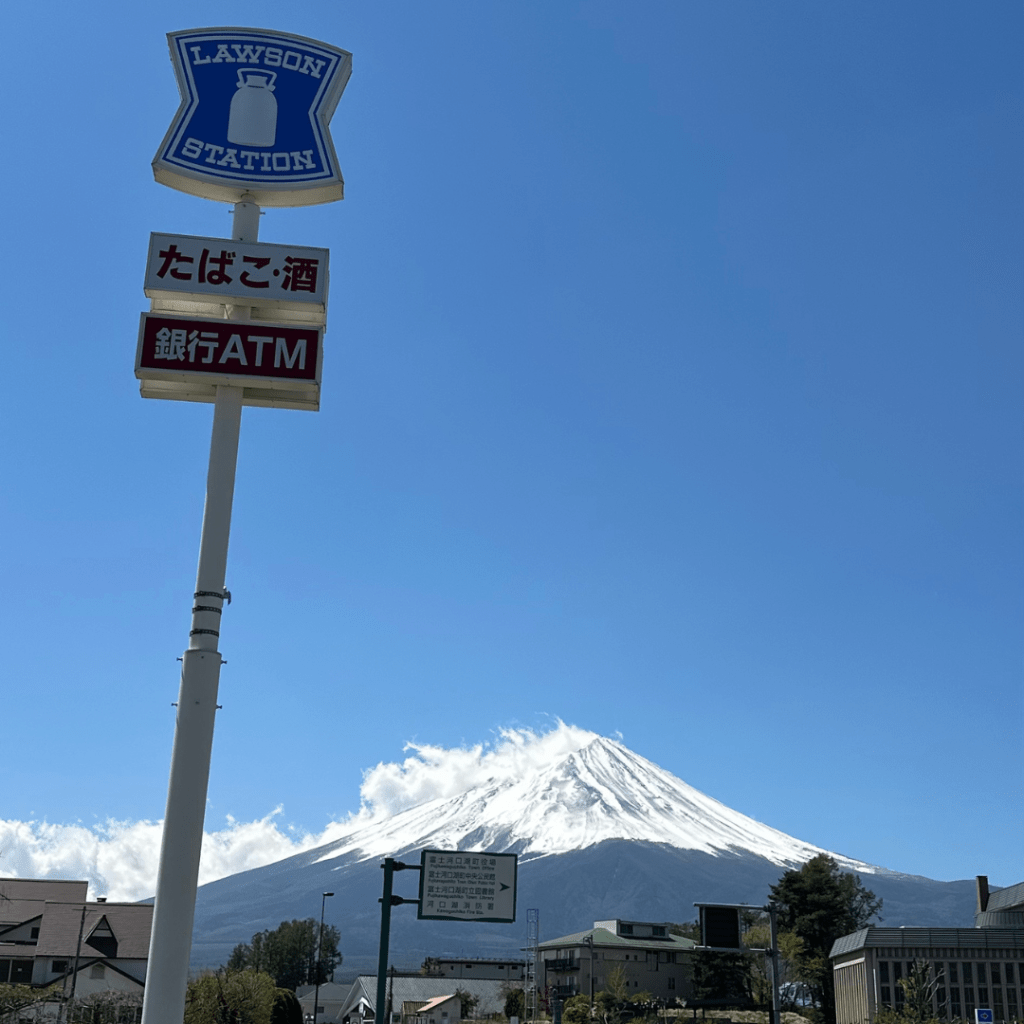
Lawson Fujikawaguchiko Town Hall
One of the most popular scenic spots is the Lawson convenience store in Fujikawaguchiko, where Mt. Fuji rises beautifully in the background. If you’ve seen a Mt. Fuji photo trending on social media, chances are it was taken here. When I visited, it was packed with people, so my tip is to go early in the morning for the best chance at a clear shot without the crowds. This Lawson is also super convenient if you haven’t eaten breakfast yet or need a quick snack after hours of transportation from Tokyo. Plus, there’s an ATM inside if you need to grab some cash before exploring the area.
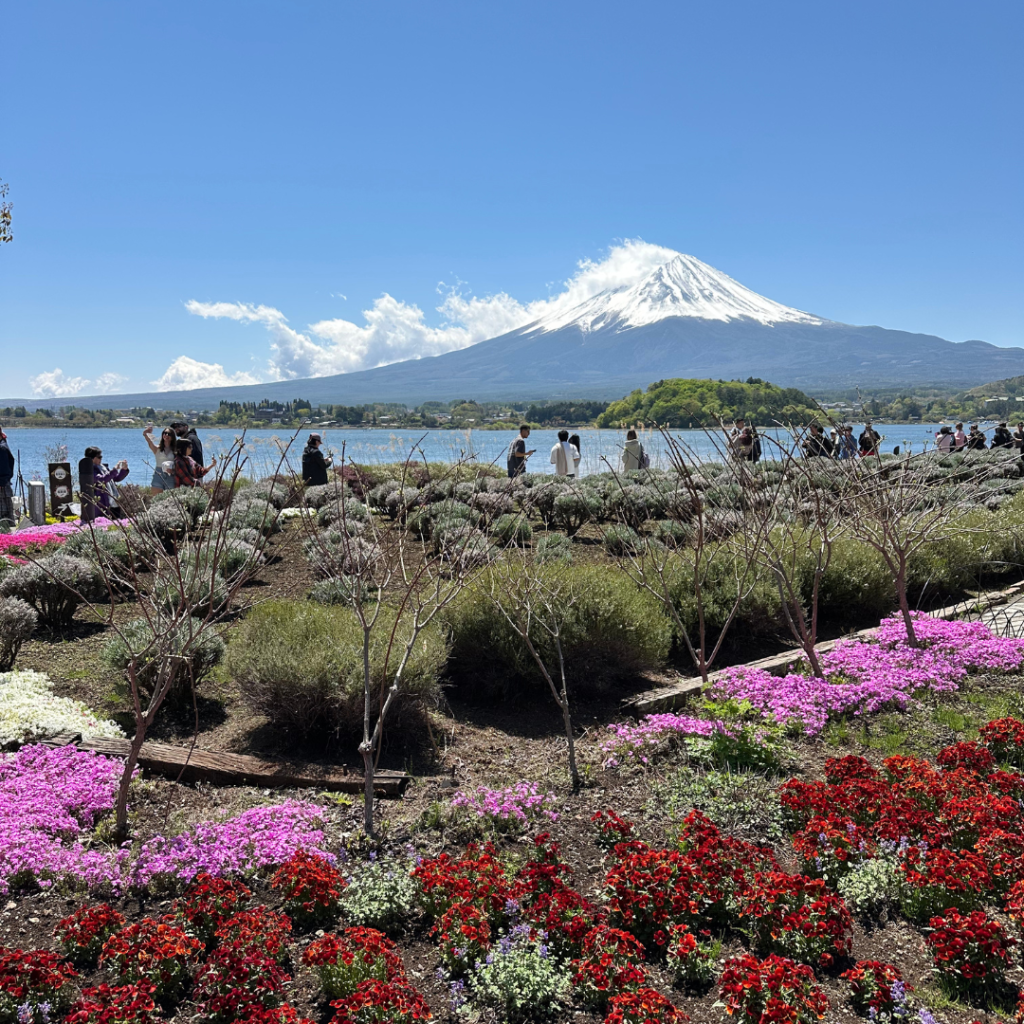
Oishi Park and Lake Kawaguchi
Oishi Park sits on the northern shore of Lake Kawaguchi and gives you some of the most sweeping views of Mt. Fuji. The scenery changes with the seasons — tulips in spring, fiery red kochia bushes in autumn, and plenty of flowers in between that frame the mountain beautifully. It’s an easy walk around the park and one of the most photogenic lakeside spots. This spot became one of my favorites since it gives such a clear and open view of Mt. Fuji. The area is also visitor friendly with restrooms, a coffee shop, and a souvenir shop where you can take a little piece of Mt. Fuji home with you.

Oshino Hakkai
Oshino Hakkai is a traditional village known for its eight crystal clear ponds fed by Mt. Fuji’s snowmelt. On a clear day, you can capture stunning reflections of the mountain in the water, making it a dream spot for photography. The thatched roof houses and old town charm give the area an authentic Japanese atmosphere. It’s also a nice place to take a break, enjoy the views, and grab a bite — whether at a sit-down restaurant or from the many street food stalls. Restrooms are available in the area too, which makes it a comfortable stop during your trip. When I visited, I tried takoyaki here and it was delicious — highly recommend!
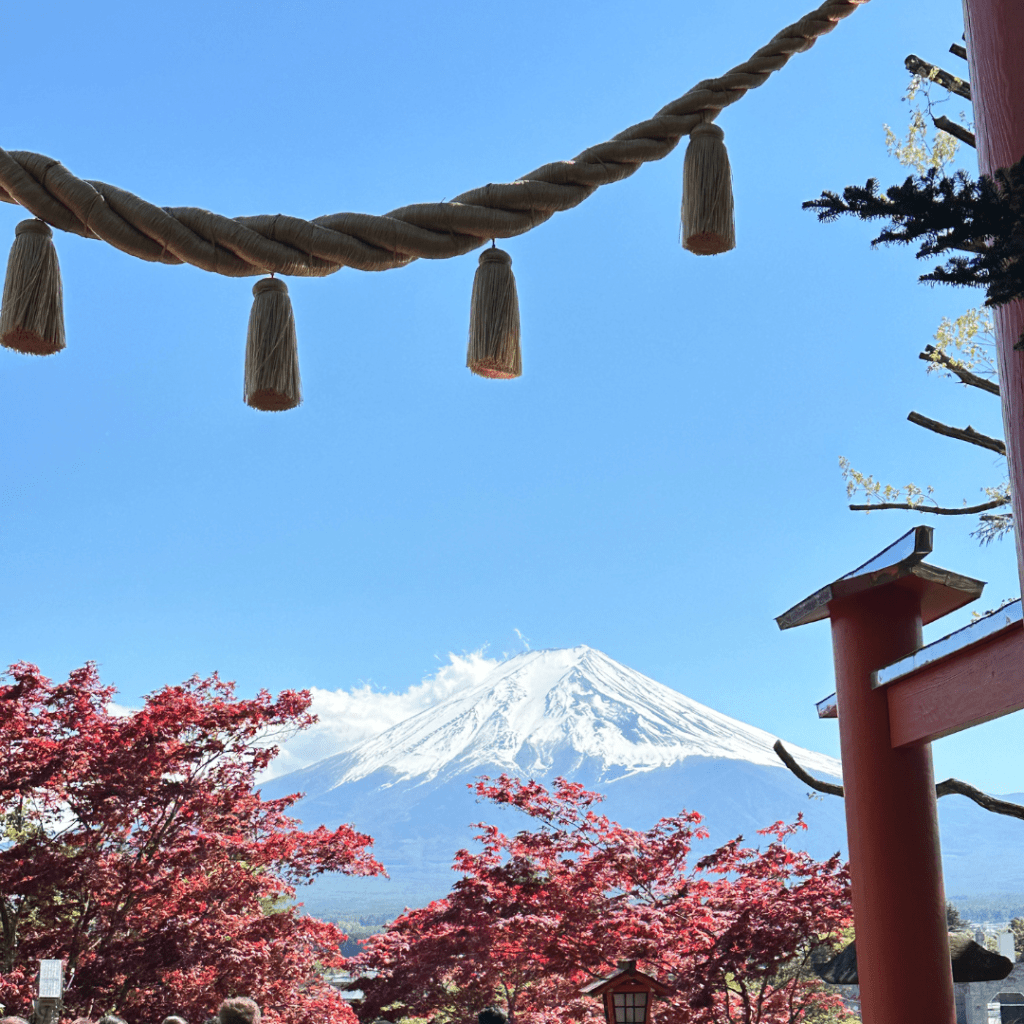
Arakurayama Sengen Park and Shrine
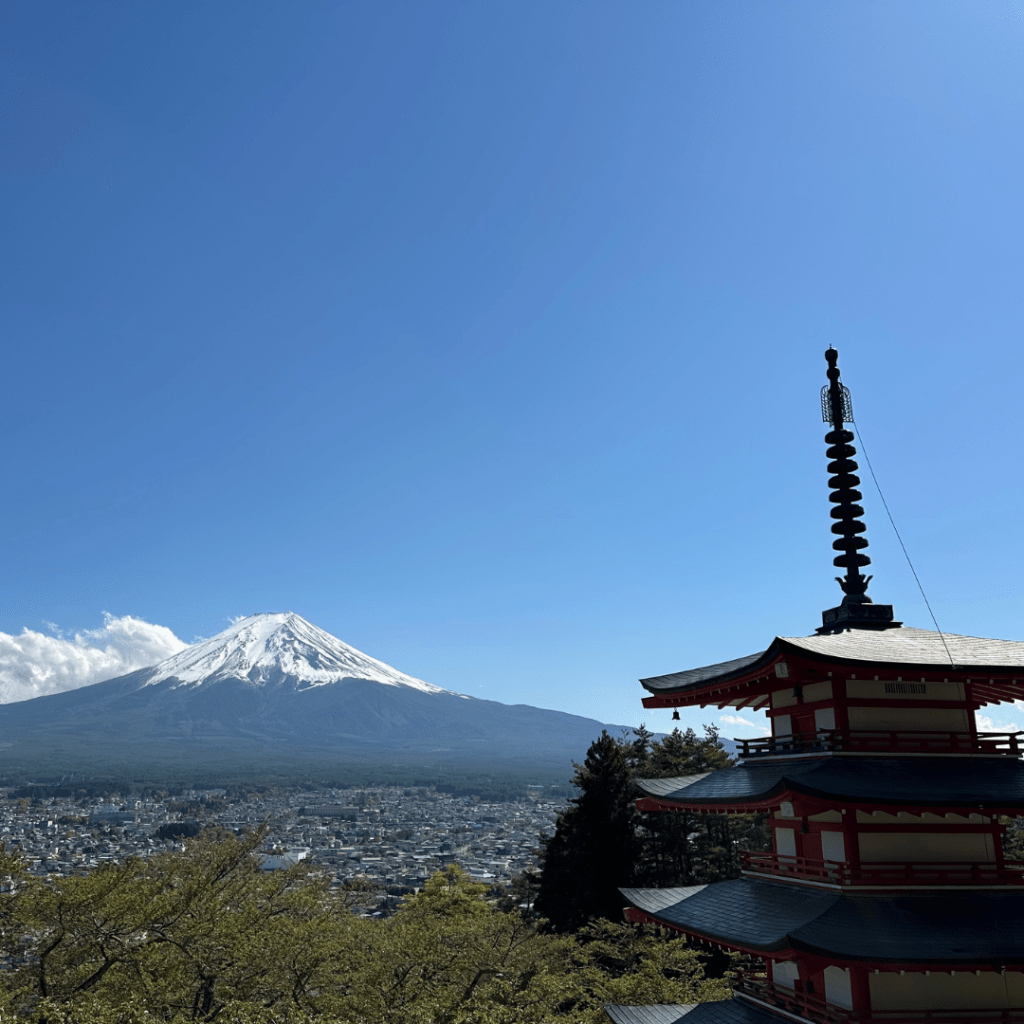
Arakurayama Sengen Park is one of the most famous places to see Mt. Fuji, home to the striking five story Chureito Pagoda. To reach the top, you’ll need to climb about 400 steps, but the view is absolutely worth it. From the lookout, you’ll get a breathtaking panorama of the pagoda with Mt. Fuji towering in the background, and if you visit in spring, cherry blossoms frame the scene beautifully. Fortunately, there are vendors selling drinks at the entrance of the temple before you start the climb, so you can treat yourself to something refreshing once you make it to the top. I went in the afternoon and it was crowded, so I recommend visiting early in the morning for a calmer experience and clearer photos. This spot is truly where you’ll capture that postcard worthy shot of Mt. Fuji.
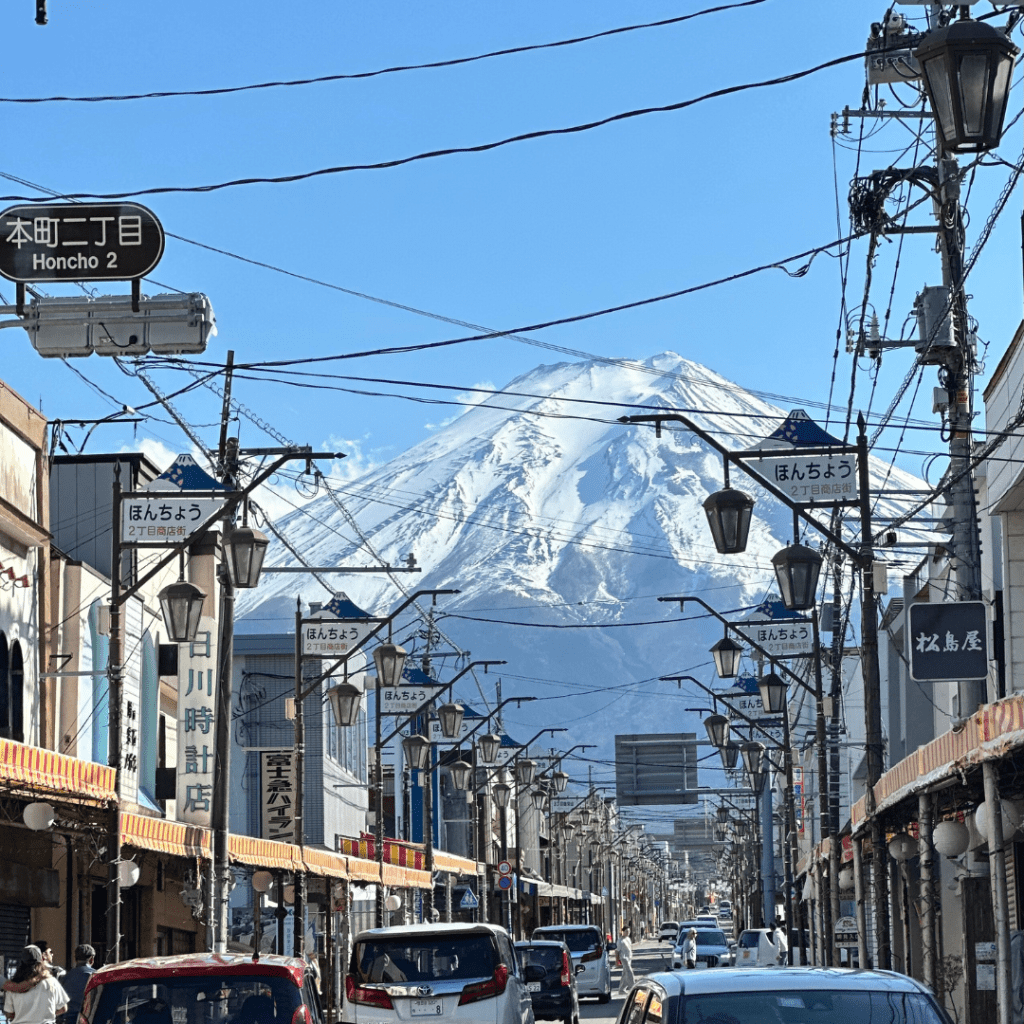
Hikawa Clock Shop
On a quiet street in Fujiyoshida, the retro Hikawa Clock Shop perfectly frames Mt. Fuji in the background. What makes this spot unique is the way the mountain lines up with the everyday local buildings, giving your photos a mix of traditional town life and breathtaking scenery. It’s a charming and underrated location that feels more authentic compared to the busier tourist spots. Since it’s close to Arakurayama Sengen Park and Shrine, it makes a great stop either before or after your visit there.
Best Time to Visit Mt. Fuji
When planning your trip to Mt. Fuji, timing makes all the difference. For the clearest skies and most dramatic views, aim for winter months (December to February) when the air is crisp and the peak is snow-capped. Spring brings cherry blossoms that frame the mountain beautifully, while autumn offers fiery foliage that makes photos pop with color. Summer is the official climbing season, but haze can sometimes block views.
No matter the season, early mornings give you the best chance of catching Mt. Fuji without clouds. If you want to avoid crowds, plan your visit on a weekday rather than weekends or holidays.
Tips for Visiting Mt. Fuji
A few practical tips can make your Mt. Fuji trip smooth and enjoyable:
- What to pack: Comfortable shoes for walking, layers for changing weather, a water bottle, and a power bank for your phone and camera.
- Photography tips: Early light or golden hour brings out Mt. Fuji’s most magical look. A wide-angle lens (or phone wide mode) helps capture both the mountain and the surrounding scenery.
- Facilities: You’ll find convenience stores, vending machines, and restrooms at popular viewpoints like Oishi Park and around Kawaguchiko, so it’s easy to take a break.
- Budget tips: Trains and buses are the most affordable way to get there, but if you don’t want to navigate transfers, guided day tours are worth the price for the convenience.
Final Thoughts on Visiting Mt. Fuji
I’m still in awe every time I think about Mt. Fuji. Photos of Fujisan are always beautiful, but nothing compares to seeing it in real life — it’s truly breathtaking and almost unreal to look at. I completely understand why it’s such an important symbol of Japan and a destination that every traveler should experience at least once.
Each viewpoint I visited offered a different perspective, from lakeside reflections to charming village streets, and together they made the trip unforgettable. If you’re planning your Japan adventure, I recommend setting aside a full day to enjoy Mt. Fuji and its surroundings.
Save this guide for future reference, and if you’d like an stress-free experience, consider booking a guided day tour (I did this as a solo traveler and loved it). For more inspiration, check out my other Tokyo blog: 5 Things to Do in Asakusa, Tokyo.


 FindKristineAbroad
Leave a comment