Some links on this page are affiliate links, which means I may earn a small commission if you book through them. Thank you for supporting my blog!
If you’re planning a trip to Egypt, you’re probably deep into research mode (which is likely how you landed on my blog!). And if you’ve been scrolling through social media, you’ve likely seen a mix of posts — some travelers sharing positive experiences, while others talk about not-so-great ones. For me, Egypt was nothing short of incredible — if I had to rank it, I’d put it right at the top of my list. That said, your time in Egypt will really depend on how well you plan and prepare. That’s exactly why I put together this list of the 10 most important things to know before traveling to Egypt.
1. How to Get Your Egypt Visa (In Person or Online)
Most travelers will need a visa to enter Egypt, including Americans. You have two main options: applying online for an eVisa before your trip or getting a visa on arrival. Both cost 25 USD for a single entry that is valid for 30 days (there is also a multiple entry option online for 60 USD).
While some travelers like the convenience of applying in advance, many (myself included) have found the eVisa website a little unreliable and time-consuming to complete. Instead, I chose the visa on arrival, and it ended up being the easiest visa process I have ever gone through. As soon as I landed, I went straight to a counter marked with a “Visa” sign, paid 25 USD in cash (they only accept U.S. dollars), and within minutes I had the visa sticker in my passport — no questions asked.
If you want a smoother experience, I personally recommend the visa on arrival. But if it gives you peace of mind to have everything arranged before traveling, the eVisa is still a valid option.
2. Getting Around Egypt
In Egypt, you’ll come across all kinds of public transportation — from tuk-tuks in smaller towns to buses and trains for longer distances. Personally, I relied on Uber throughout my trip, using it to get from the airport to my hotel and even to attractions, and I had no issues at all. Rides were affordable and convenient.
One tip if you plan on using Uber: pay in cash instead of by card. While Uber technically accepts credit cards, some drivers may cancel or refuse rides if you select card payment. I never had a problem when I paid cash directly to the driver.
Another helpful thing to know is that all license plates in Egypt are written in Arabic (including the numbers). Luckily, the Uber app shows both the Arabic and Latin number formats, so it’s easy to match the car.
3. Staying Connected with eSIMs
Having reliable internet is a must when you are traveling, especially for staying in touch or pulling up maps on the go. Before my trip to Egypt, I purchased an eSIM through Klook, and it turned out to be one of the best decisions. The connection was strong, fast, and I never had to worry about losing service.
One tip: do not activate your eSIM until you land in Egypt, as the data plan may start counting down the moment it is activated.
4. Bargaining in Egypt
Bargaining is a normal part of Egyptian culture, especially in markets and souvenir stalls. If you’re from a Western country, you may not be used to haggling, but in Egypt it’s expected. Prices given to tourists are almost always inflated — sometimes double or even triple what a local might pay, and in very tourist-heavy spots (like near the pyramids) it can even be four or five times higher.
A practical rule of thumb is to start by offering 30 to 40 percent of the asking price and work your way up to something that feels fair. Sellers expect it, so don’t be shy about bargaining — just keep it polite and lighthearted.
5. What Plug Adapter You’ll Need
Egypt uses Type C and Type F plugs. Type C has two round pins, while Type F has two round pins with grounding clips on the sides. The standard voltage is 220V and the frequency is 50Hz, so if you’re traveling from the USA, you’ll need a plug adapter and a voltage converter for certain electronics. Most phone and laptop chargers are dual-voltage, but it’s always good to double-check before plugging in.
6. Learn a Few Arabic Phrases
When visiting Egypt, taking the time to learn a few simple Arabic phrases goes a long way. Locals appreciate it when visitors make the effort, even if it’s just the basics. It not only shows respect for the culture but also makes your interactions warmer and more enjoyable.
Here are a few Egyptian Arabic phrases to know before your trip:
- Hello – Salaam (سلام) — sah-lahm
- Thank you – Shukran (شكراً) — shoo-kran
- You’re welcome – Afwan (عفواً) — ahf-wan
- Excuse me – Law samaht (لو سمحت) — low sah-maht
- Yes – Aywa (أيوه) — ay-wah
- No – La (لا) — lah
7. Book Tours or Hire a Tour Guide
If you’re not a seasoned traveler, I highly recommend getting a tour guide during your stay in Egypt. The same goes if you’re traveling solo, while I don’t personally recommend solo traveling in Egypt, it’s still possible and much easier with a guide. Having one not only makes your trip smoother but also adds more value to your experience. They can help with navigating busy areas, explaining historical sites, and offering local insights that you might not find online.
I booked most of my tours through Klook and Viator, both of which were very reliable and easy to use. Here are some tours I did in Egypt that I recommend checking out:
- From Cairo: Pyramids of Giza, Sphinx, Saqqara & Memphis Tour
- Old Cairo Islamic and Coptic sites with Saladin Citadel
- Coptic Cairo Tour: Cave Church of Saint Simon and Old Cairo churches
- Day Tour to Alexandria from Cairo
8. Cash is King
While some sites and restaurants in Egypt accept credit cards, most local places prefer cash, especially at bazaars or small food spots. I found plenty of ATMs while exploring, and some hotels even had ATMs or cash exchange machines, which made things very convenient. It’s always a good idea to carry some cash with you, as it comes in handy for tipping drivers, guides, or staff at restaurants.
9. Common Scams in Egypt (And How to Avoid Them)
Like many popular travel destinations, Egypt has its share of common scams that visitors should be aware of. Knowing what to expect can help you avoid uncomfortable situations and keep your trip stress-free. Here are some common ones I’ve personally experienced and heard from other travelers:
- Airport “helpers” asking for tips: At the airport, you might come across staff or individuals who offer to help you with your bags or direct you through lines, then ask for a tip afterward. While tipping is common in Egypt, you’re not required to tip someone just for doing their regular job. A polite “no thank you” works fine if you prefer to handle things yourself.
- Taxi drivers claiming Uber isn’t available: When you arrive at the airport or major tourist areas, some taxi drivers may tell you that Uber can’t pick up from that location and offer to take you instead — usually for a much higher price. Don’t fall for it. Always check the Uber app, as it typically works well in Cairo and other main cities.
- Photo “offers” that cost money: If someone offers to take your photo, they might expect payment afterward. It’s best to politely decline unless you’re comfortable tipping.
- Persistent street vendors: At markets or tourist sites, sellers can be very persuasive. If you’re not interested, avoid engaging too much — simply smile and say “no thank you.” One of my guides shared that engaging in conversation is often taken as a sign you’re willing to buy.
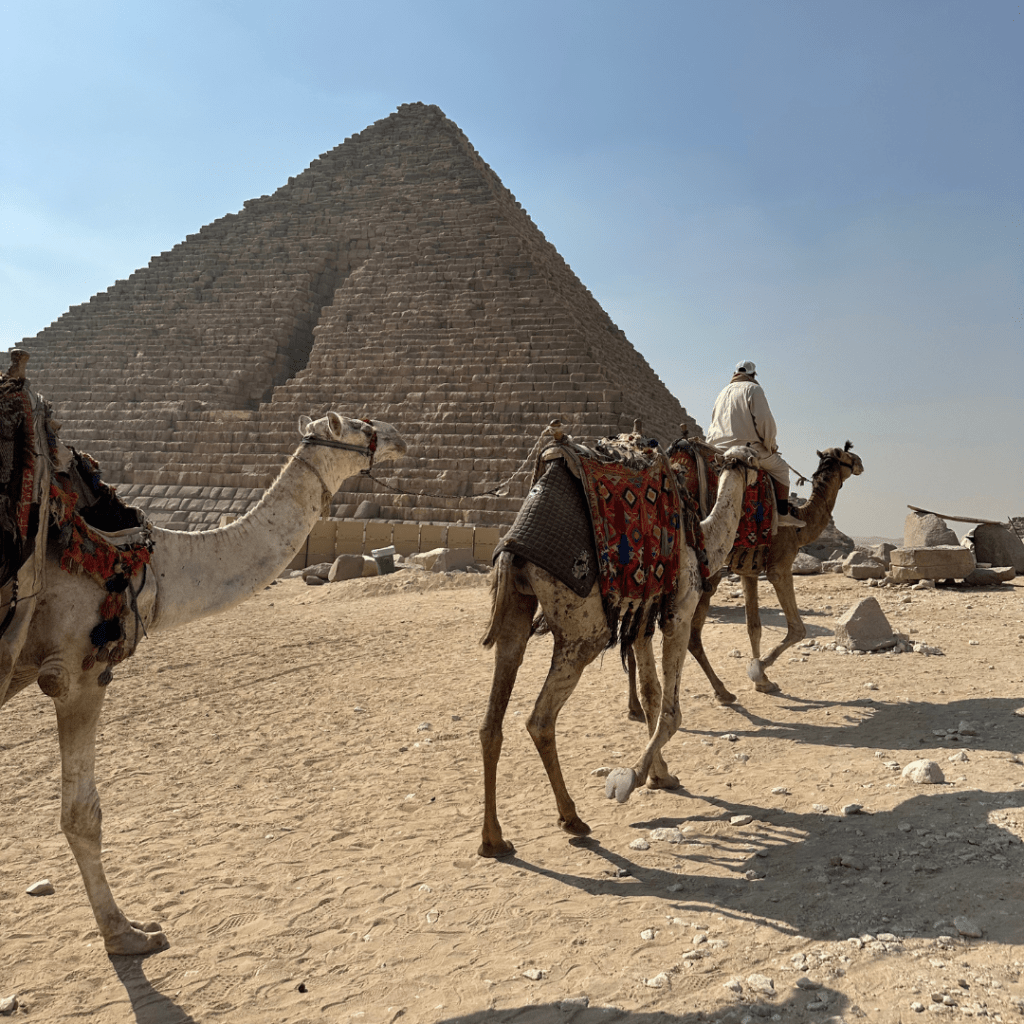
- Overpriced souvenirs or camel rides: Some vendors or camel handlers may quote very high prices upfront, then ask for even more after you agree. Always negotiate the price before agreeing to any service or ride.
- Fake guides near attractions: Around famous sites like the pyramids, you might encounter people claiming to be “official” guides offering to show you around for a fee. Only book licensed guides through trusted platforms like Klook, Viator, or your hotel concierge.
Being aware of these common scams helps you stay alert without feeling paranoid — just use your best judgment, stay polite but firm, and you’ll be fine.
10. Dress Code & Cultural Etiquette
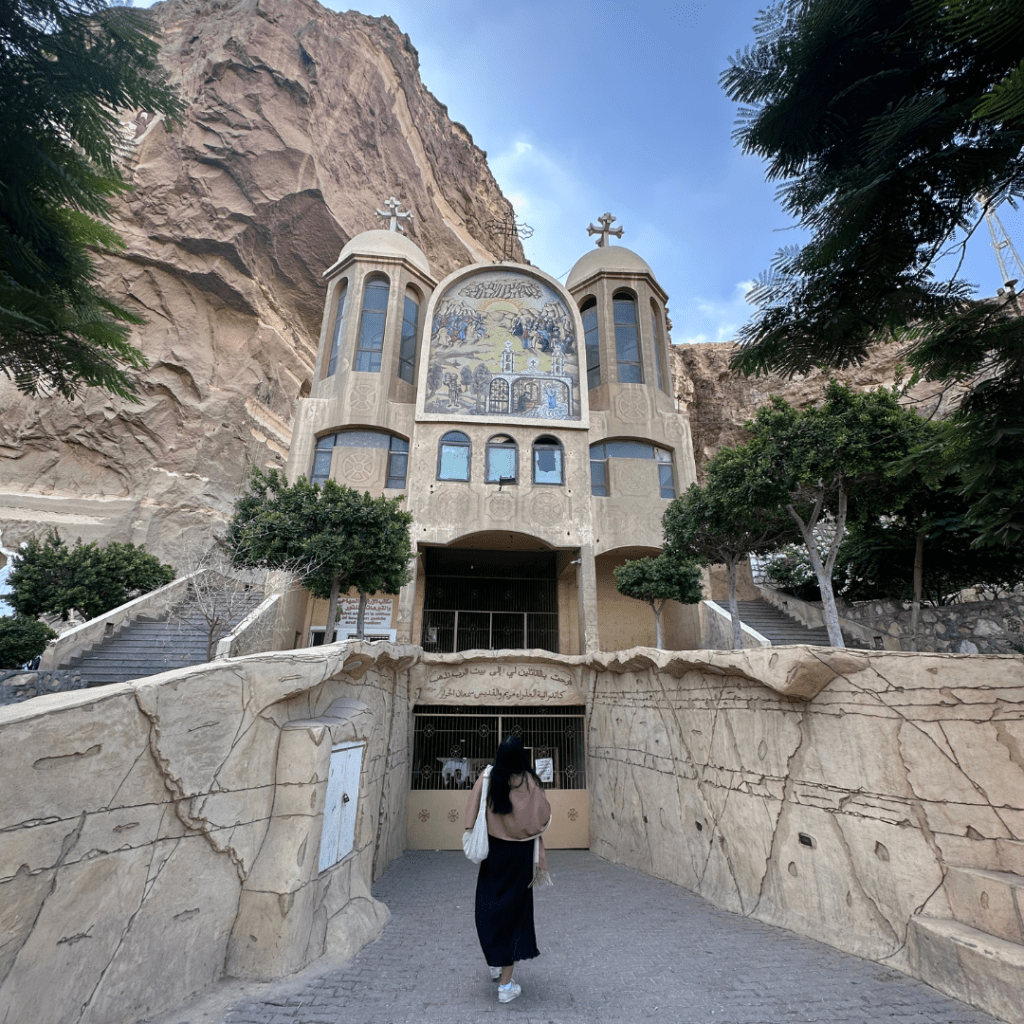
When traveling in Egypt, dressing modestly and respecting local customs is key to blending in and showing appreciation for the culture. While larger cities and tourist areas tend to be more relaxed, it’s still best to keep your attire conservative, especially when visiting religious or rural sites. Simple gestures of respect go a long way in making your experience more comfortable and positive.
Here are a few tips to keep in mind:
- Avoid public displays of affection, as they’re considered inappropriate in most settings.
- A warm smile and simple Arabic phrases go a long way in showing respect and friendliness.
- It’s polite to use your right hand when eating, greeting, or giving and receiving items.
- Egypt is a modest country, so wear clothing that covers your shoulders and knees. I wore long, flowy skirts and dresses to stay cool while keeping modest.



 FindKristineAbroad
Leave a comment