Some links on this page are affiliate links, which means I may earn a small commission if you book through them. Thank you for supporting my blog!
Japan is one of those places that instantly captures your heart. With endless things to do, kind people all around, and a strong sense of safety, it’s easy to see why so many travelers love it. During my solo trip, I had an incredible time and also learned a lot of useful tips that I want to share. If you’re planning your own Japan trip, keep reading to get prepared and make the most of your experience.

1. Complete Your Arrival and Customs Forms Before You Land
When you arrive in Japan, travelers are usually asked to fill out two forms: the arrival (disembarkation) card and the customs declaration form. Would you rather spend extra time filling these out on paper after a long flight, or breeze through the lines because you already completed everything online?
Personally, I submitted my information in advance, and it made the whole process so much easier. You can do the same through Visit Japan Web — and the best part is, it’s completely free!
2. Purchase an eSIM for the Best Connection
Before traveling to Japan, I purchased an eSIM through Klook, and I’m so glad I did — especially as a solo traveler navigating the country on my own. I never had to worry about Google Maps or translation apps taking forever to load, because everything connected instantly with the eSIM.
Once you buy it online, it’s pretty easy to set up by following the instructions provided. Just make sure you don’t activate it until you land in Japan, otherwise the plan may start running before you even get there.
I found it super convenient and stress free, and it gave me peace of mind knowing I’d always stay connected.
3. Charger Type
Japan uses Type A and Type B plugs. If you’re traveling from the USA, you’re in luck — you can use the same chargers and adapters you already have, since the outlets are the same.
Tip: Japan’s voltage is 100V (compared to 120V in the US), but most phone chargers, laptops, and camera chargers work fine. Just double check your device label to be safe.

4. Luggage Delivery Service from Airport to Hotel
One of the best things about traveling in Japan is how easy it is to move around without being weighed down by heavy luggage. Instead of carrying big suitcases on trains or through busy streets, you can use a luggage delivery service (often called Takkyubin or Ta-Q-Bin) that transports your bags directly from the airport to your hotel. This makes your arrival stress-free and allows you to enjoy your first day without worrying about where to store your bags.
And no — it’s not just in Tokyo. Luggage delivery services are available throughout Japan, including airports in Osaka, Kyoto, Nagoya, and many other cities. Hotels, convenience stores, and even some train stations also offer drop-off and pick-up points, making it easy to use the service anywhere in the country.
How to use luggage delivery service in Japan:
- Look for a luggage delivery counter at the airport (usually near the arrivals hall).
- Fill out a short form with your hotel’s name and address.
- Pay the delivery fee (usually around ¥2,000–¥3,000 per suitcase, depending on size and distance).
- Your bags will typically arrive at your hotel the next day, sometimes the same day if nearby.
- Keep your receipt with tracking number in case you want to check your delivery status.
5. Download Suica or Pasmo Card in Your iPhone Wallet
Public transportation in Japan is the most common and convenient way to get around, especially since taxis and Uber can be much more expensive. Trains can easily take you to most attractions across the city, making them the best option for travelers. The easiest way to manage your fares is by adding a Suica or Pasmo card directly to your iPhone Wallet (for now, this only works on iPhone). This makes it simple to top up your balance and saves you from worrying about losing a physical card or pulling it out each time to scan.
Although Suica and Pasmo are most commonly used in Tokyo, they also work in many other major cities across Japan, including Osaka, Kyoto, and Yokohama. This means you can rely on the same card for most of your trip.
Instructions to add Suica or Pasmo to your iPhone Wallet:
- Open your Wallet app on iPhone.
- Tap the “+” sign to add a new card.
- Go to Transit Card.
- Choose Suica or Pasmo from the list.
- Follow the prompts to set it up and add funds.
6. Use Google Maps
Most travelers rely on Google Maps to get around in Japan, and I’m no exception — I honestly live by it (yes, even over Apple Maps). It’s user-friendly and especially helpful when walking between attractions, restaurants, and train stations. For me, it’s the easiest way to figure out directions on foot and stay confident while navigating new areas.
Google Maps also comes with some really cool features that make traveling in Japan even smoother:
- Train routes and schedules: Google Maps shows you exact train lines, platforms, and transfer times, which is a lifesaver since Japan’s rail system can feel overwhelming at first.
- Real-time departure updates: You’ll see when the next train is coming and if there are any delays.
- Restaurant and café reviews: Before trying a spot, you can check ratings, photos, and even popular dishes.
- Street View: Super helpful for recognizing landmarks or spotting the entrance of your hotel or restaurant ahead of time.
- Offline maps: Download maps of the city before heading out so you’re covered if you lose Wi-Fi or data.
7. Book Activities Early
This is something I wish I knew before arriving in Japan. Since the country attracts huge numbers of tourists year-round, many attractions sell out quickly —sometimes even months in advance. That’s why it’s so important to book tickets online before your trip.
Even with early planning, popular spots can still sell out depending on the day, season, or time slot. Some places only accept advance tickets and won’t allow walk-ins, so doing a little research ahead of time is key. I personally missed out on visiting the famous Ghibli Museum because tickets were already sold out three months before my trip.
When to book in advance:
- 3+ months before: Ghibli Museum, teamLab Planets, and special seasonal events (like cherry blossom festivals).
- 1–2 months before: Popular temples, cultural experiences (like tea ceremonies), and guided tours.
- A few weeks before: Day trips such as Mt. Fuji, Kyoto tours, and food experiences.
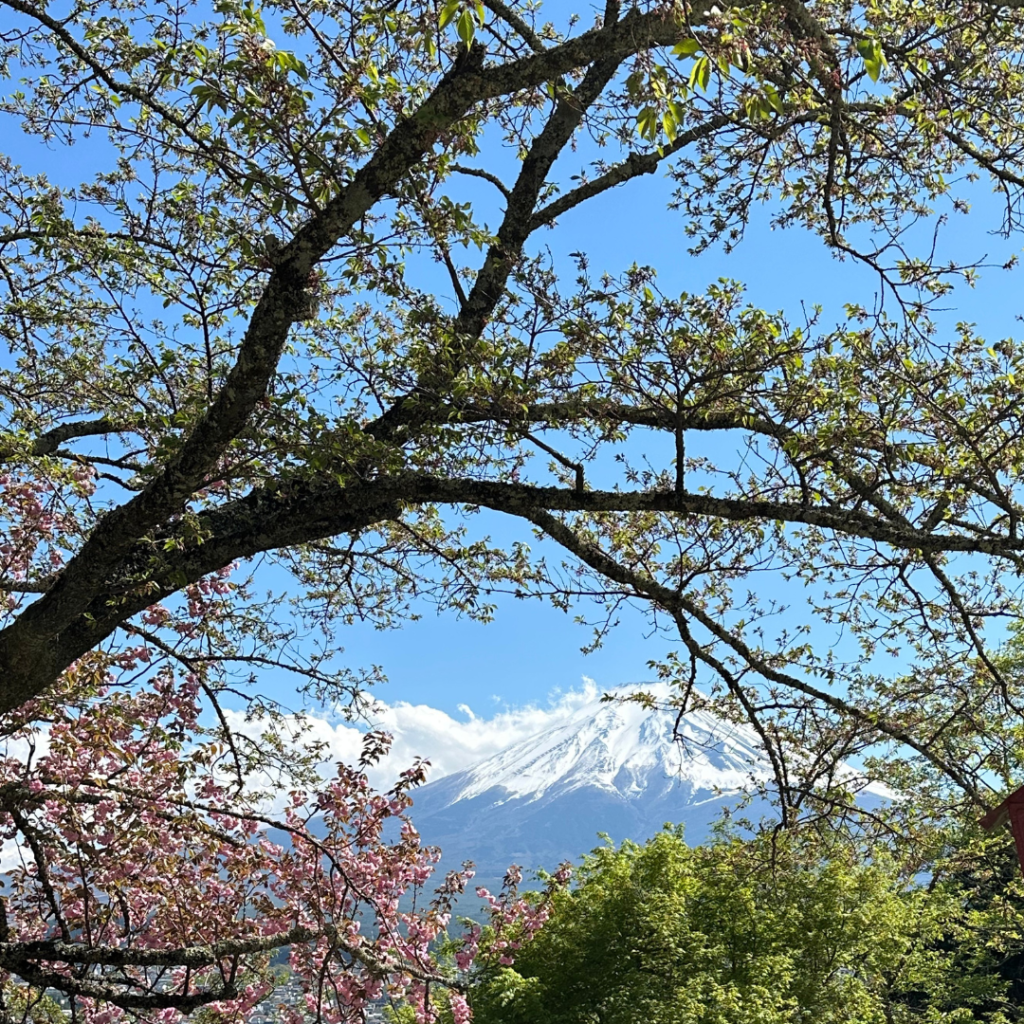
I was able to book online for both a Mt. Fuji day tour and a Matcha Making Class. The Mt. Fuji tour was one of the highlights of my trip, and the matcha class was such a fun cultural experience I’d highly recommend. Both can be booked through sites like Klook or Viator.
8. Learn a Few Basic Japanese Phrases
When traveling, no matter where in the world, it’s always helpful to learn a few basic phrases from the country you’re visiting. In Japan, even knowing just a handful of words shows respect for the culture and can make your interactions much smoother. Locals really appreciate it when you make the effort, even if it’s just the basics.
Here are a few simple Japanese phrases to know before your trip:
- Hello – Konnichiwa (こんにちは) — koh-nee-chee-wah
- Thank you – Arigatou (ありがとう) — ah-ree-gah-toh
- Thank you very much – Arigatou gozaimasu (ありがとうございます) — ah-ree-gah-toh goh-zah-ee-mahss
- Excuse me / Sorry – Sumimasen (すみません) — soo-mee-mah-sen
- Yes – Hai (はい) — high
- No – Iie (いいえ) — ee-eh
Cultural tip: When saying thank you (arigatou or arigatou gozaimasu), it’s polite to give a small bow. It doesn’t need to be deep — just a slight nod shows respect and is appreciated.
9. How to Pay
When paying at restaurants or stores in Japan, you’ll often notice a small tray by the cashier. Instead of handing your cash or card directly to the staff, it’s customary to place it on the tray. The cashier will then pick it up, process your payment, and return your change or receipt the same way.
This small detail might seem unusual at first, but it’s a polite and organized way of handling payments that’s widely practiced across Japan.
Cash vs. Card in Japan: While credit cards are becoming more common, Japan is still very much a cash-based society. Smaller shops, local restaurants, and temples often only accept cash, so it’s a good idea to always carry some yen with you. On the other hand, big chain stores, hotels, and tourist attractions usually accept major credit cards. If you’re using an IC card like Suica or Pasmo, you can also pay for convenience store items, vending machines, and even some restaurants with just a tap.
10. Some Do’s and Don’ts While in Japan
Japan is a very organized and respectful country, and following local etiquette makes your trip smoother while showing consideration for others. Here are some important do’s and don’ts to keep in mind:
Do’s:
- Stand properly on escalators: In Tokyo and eastern Japan, stand on the left and walk on the right. In Osaka and western Japan, it’s the opposite — stand on the right and walk on the left. I know it can get confusing, so if you forget and there are people around, just follow what the locals are doing (that’s what I did)!
- Queue at train stations: Painted lines on the platform show where to wait. Always line up, let passengers exit first, and then board.
- Carry tissues or a small towel: Many restrooms don’t have paper towels or hand dryers, so it’s handy to bring your own.
Don’ts:
- Don’t tip: Tipping isn’t part of Japanese culture, and leaving money on the table can actually cause confusion.
- Don’t eat or drink on public transportation: It’s considered impolite (except on long-distance trains like the Shinkansen where food is allowed).
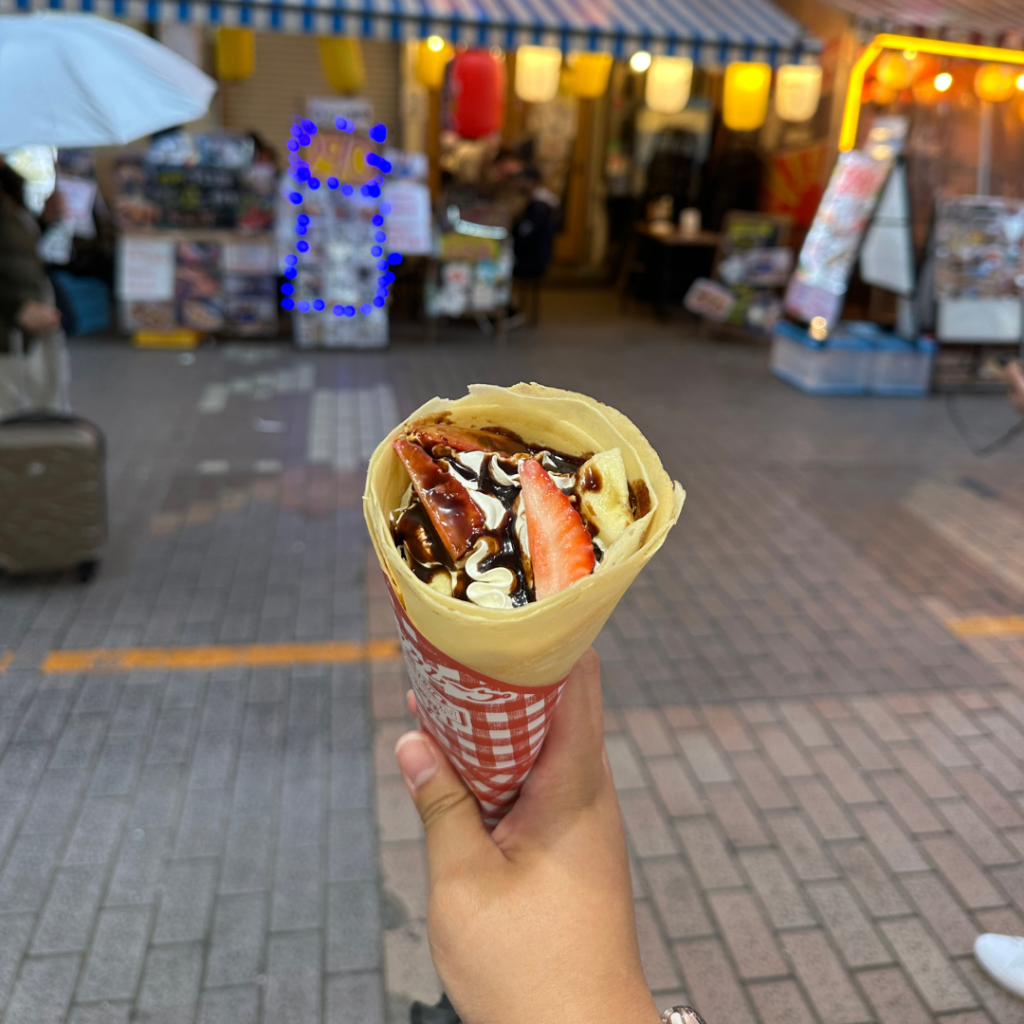
- Don’t eat while walking: Grab a spot to sit or stand while enjoying street food, or eat near the stall where you bought it.
- Don’t jaywalk: Cross only at pedestrian crossings and wait for the light, even if the street looks empty.
Cultural tip: Japan values harmony and respect in public spaces. By following these small rules, you’ll blend in more easily and your experience will feel smoother and more enjoyable.
Looking for more Japan travel inspiration? Check out my other guides:




 FindKristineAbroad
Leave a comment